E3Docker 2.0
An Integrated Platform for E3 Ligase Discovery and Docking
This website is free and open to all users and there is no login requirement.
Protein-Small Molecule Docking
Search E3 targets and prepare ligands for docking.
Protein-Protein Docking
Model peptide, antibody, and protein interfaces.
E3 Ligase Ligand Database
Explore structures, activities, and source evidence.
E3 Ligase Tissue Explorer
Prioritize E3 ligases by tissue and protein expression.

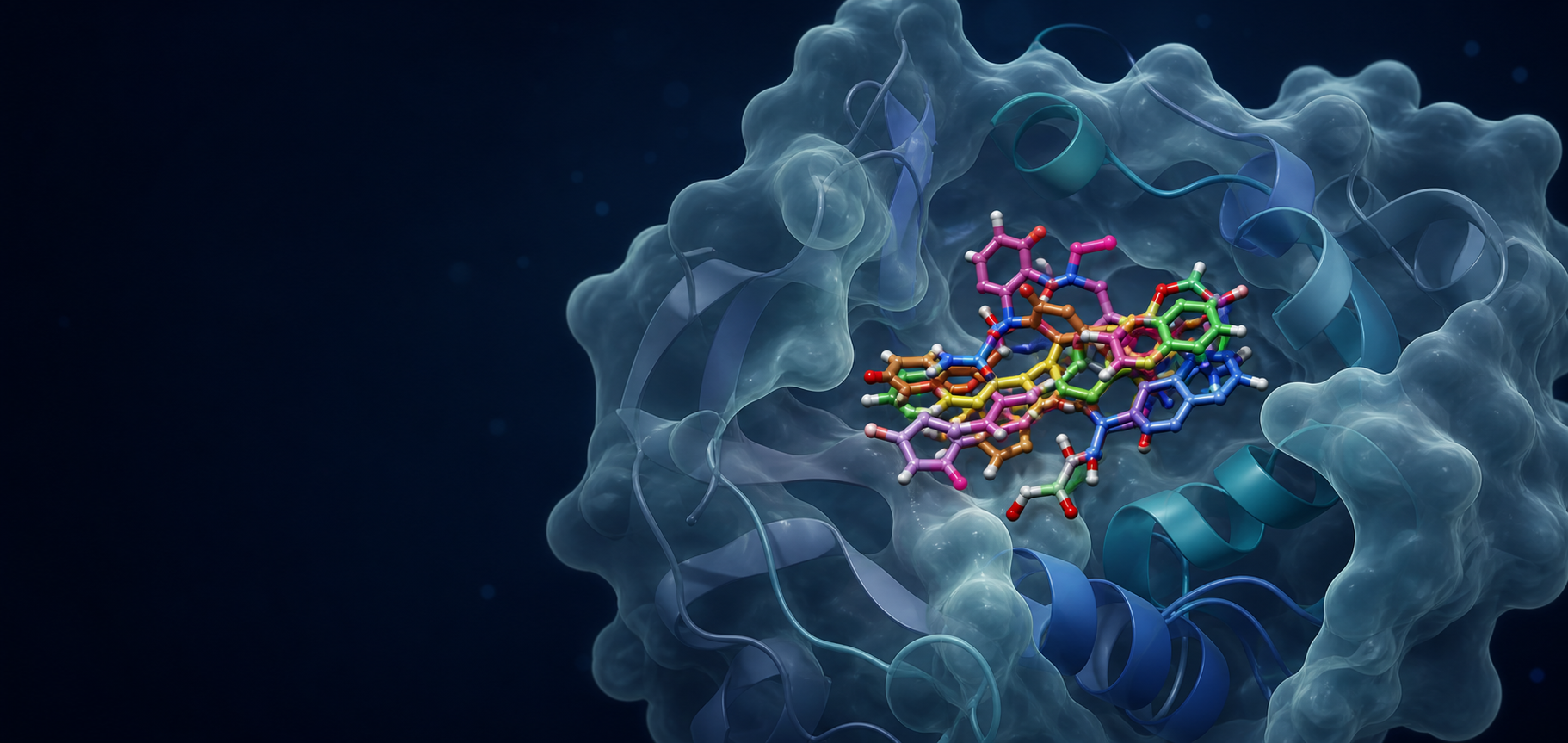
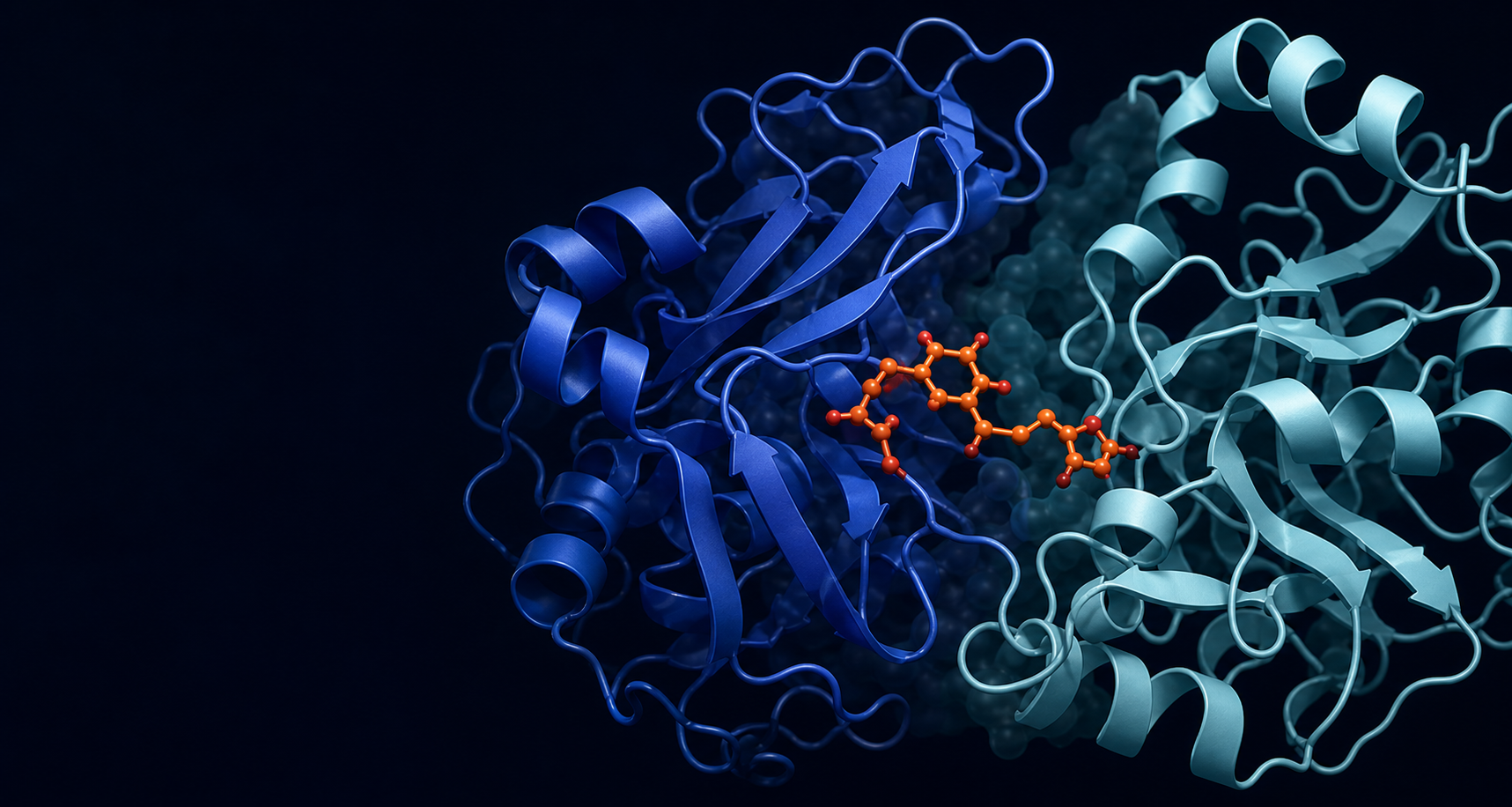
E3Docker 2.0 is an integrated platform for E3 ligase binder discovery and induced-proximity modeling. It provides searchable experimental PDB structures and AlphaFold models, co-crystal and predicted binding pockets, protein-small molecule docking, and protein-protein docking. The E3 Ligase Ligand Database enables users to browse ligand structures, activities, targets, and source evidence, while the E3 Ligase Tissue Explorer supports E3 prioritization using tissue and protein-expression profiles. Together, these tools cover target selection, ligand preparation, docking, pose inspection, and result retrieval in one workflow.
Quick start:Search by protein name, gene symbol, or UniProt accession, select an experimental or predicted E3 structure, and choose a detected or ligand-defined pocket. Ligands can be uploaded, drawn, or selected from the E3 Ligase Ligand Database before running protein-small molecule docking. Use the Tissue Explorer to compare E3 expression across tissues. For protein-protein docking, upload an E3-ligand complex and a target protein or target-ligand complex, then choose global docking or visually select one docking point on each 3D structure. Submitted jobs can be followed in Job Status or retrieved directly using their Job ID.
Docking Engine:E3Docker 2.0 uses CoDock-Ligand for small-molecule docking and affinity estimation, and integrates CoDockPP for protein-protein docking of E3-mediated complexes. Protein-protein jobs support global or site-guided searches, preserve bound non-water ligands in generated complex models, and automatically prepare uploaded PDB inputs for the legacy docking engine. Jobs run in background queues with email notifications, privacy-protected status tracking, and user-readable failure reasons. Results provide ranked poses, affinity or docking scores, interactive online 3D visualization, and downloadable result packages.